How Long Do Botox and Fillers Last? Expert Insights
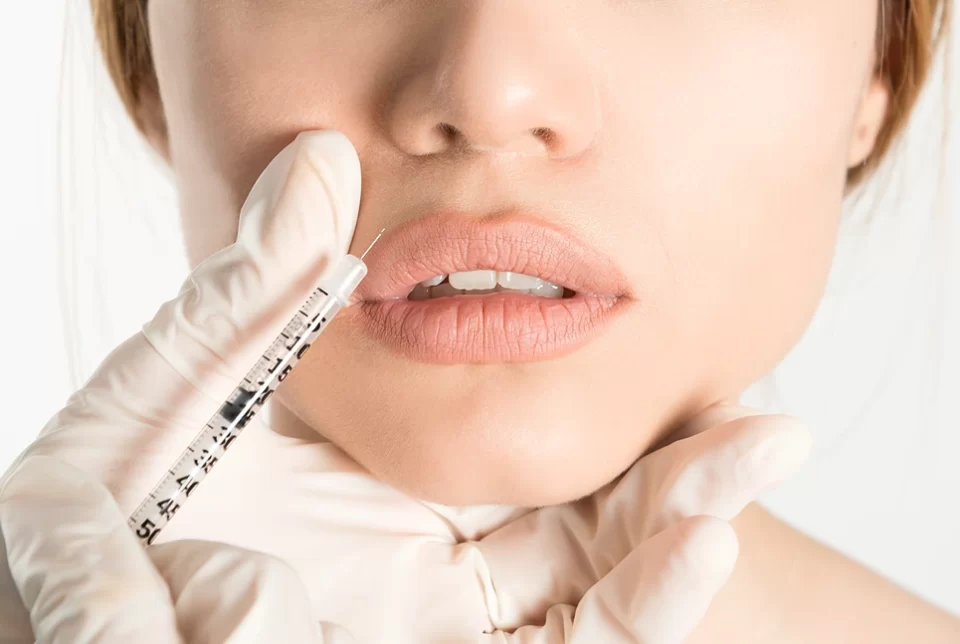
When it comes to achieving smoother skin and restoring youthful volume, few cosmetic treatments have gained as much popularity as Botox and dermal fillers. Both options provide non-surgical solutions to address the visible signs of aging, offering natural-looking results with minimal downtime. The key question many patients ask, however, is: How long do these results actually last? While the longevity of these treatments depends on several factors such as the product used, the treated area, and individual metabolism, understanding the science behind them can help set realistic expectations. Fillers play a vital role in enhancing facial contours and restoring volume, while Botox is best known for softening dynamic wrinkles caused by muscle movement.
Understanding the Difference Between Botox and Fillers
Although both Botox and fillers are often mentioned together, they work in entirely different ways. Botox (botulinum toxin type A) is a neurotoxic protein that temporarily relaxes facial muscles responsible for creating wrinkles. When injected into specific muscles, it prevents nerve signals from triggering contractions, thereby reducing the appearance of fine lines and wrinkles such as frown lines, crow’s feet, and forehead creases.
Fillers, on the other hand, are gel-like substances—most commonly made from hyaluronic acid—that are injected beneath the skin to restore lost volume, smooth lines, and enhance facial features. They can be used to plump lips, contour cheeks, lift sagging skin, or smooth out deep creases. While Botox focuses on reducing motion-related wrinkles, fillers target the loss of volume and elasticity that naturally occurs with age.
How Long Does Botox Last?
The effects of Botox are temporary but impressive. Typically, results start becoming visible within three to seven days after treatment, with full effects noticeable in about two weeks. The average duration of Botox results ranges from three to six months, depending on various factors:
-
Muscle activity: Areas with stronger muscle movements (like the forehead or around the eyes) may see results fade a bit faster.
-
Dosage and placement: The amount of Botox injected and the precision of placement influence how long it lasts.
-
Metabolism: People with faster metabolic rates may break down the toxin more quickly.
-
Lifestyle factors: Regular exercise, smoking, and exposure to sunlight can shorten results.
Many patients notice that with consistent treatments, Botox results can last longer over time. This is because repeated use helps train the facial muscles to relax, reducing the intensity of wrinkles and the need for frequent touch-ups.
How Long Do Dermal Fillers Last?
The longevity of fillers can vary widely depending on the type of product used and the area treated. Generally, hyaluronic acid-based fillers—like Juvederm, Restylane, or Belotero—last anywhere from 6 to 18 months. Other fillers, such as calcium hydroxylapatite (Radiesse) or poly-L-lactic acid (Sculptra), can last even longer—sometimes up to two years or more.
Here’s a general breakdown of how long different types of fillers tend to last in various facial areas:
-
Lips: 6 to 12 months (due to high movement and metabolic activity)
-
Cheeks and temples: 12 to 18 months
-
Nasolabial folds (smile lines): 9 to 15 months
-
Jawline and chin: 12 to 24 months
-
Under-eye area: 9 to 12 months
It’s also important to note that some fillers stimulate the body’s own collagen production, meaning their effects can continue to improve even after the initial product has metabolized. However, results are never permanent, as the body gradually absorbs the injected material over time.
Factors That Affect the Longevity of Botox and Fillers
The duration of results from both Botox and dermal fillers can differ greatly among individuals. A few key factors that determine how long the effects last include:
-
Product choice: Premium brands with high-quality formulations often last longer than generic alternatives.
-
Area treated: Dynamic areas with frequent movement (like around the mouth or eyes) tend to metabolize products faster.
-
Patient’s metabolism: Each person’s body breaks down the injectable material at a different rate.
-
Technique and expertise: The skill of the injector plays a crucial role. Treatments performed by a qualified professional not only last longer but also look more natural.
-
Lifestyle habits: Hydration, diet, stress levels, and skincare routines all impact the longevity of results.
-
Aftercare: Avoiding excessive sun exposure, alcohol, and strenuous exercise for a few days post-treatment can help maintain results longer.
Those who receive regular maintenance treatments and follow professional aftercare advice often experience extended and more consistent results.
How to Extend the Life of Your Results
While the effects of Botox and fillers will eventually fade, there are several proactive steps patients can take to help prolong their results:
-
Stay hydrated: Skin that’s well-hydrated maintains volume and elasticity longer.
-
Follow a consistent skincare routine: Using products with hyaluronic acid, retinol, and antioxidants can support the effects of injectables.
-
Protect your skin from UV damage: Daily sunscreen use prevents breakdown of collagen and slows filler degradation.
-
Schedule maintenance appointments: Regular touch-ups help sustain results and prevent wrinkles or volume loss from returning.
-
Avoid smoking and excessive alcohol consumption: Both can accelerate aging and reduce the longevity of treatments.
By combining good skincare habits with professionally timed follow-up treatments, patients can enjoy smoother, more youthful-looking skin for longer periods.
When to Consider a Touch-Up or Repeat Treatment
For Botox, most patients schedule repeat sessions every 3–4 months to maintain optimal results. With fillers, the need for touch-ups varies based on the specific product and individual metabolism, typically every 9–18 months. Some practitioners recommend a small “booster” session halfway through the product’s lifespan to refresh the results and keep them looking natural.
It’s also common for first-time patients to notice that their results don’t last quite as long as expected. Once the skin and muscles adjust to the treatment, subsequent sessions tend to last longer and require fewer units or syringes for maintenance.
Final Thoughts
Both Botox and dermal fillers offer incredible benefits for anyone seeking to rejuvenate their appearance without surgery. While neither treatment is permanent, they provide a convenient and effective way to smooth wrinkles, enhance facial contours, and restore youthful confidence. The duration of your results ultimately depends on your lifestyle, the quality of products used, and the expertise of your injector. By choosing a trusted aesthetic professional and maintaining a healthy skincare routine, you can enjoy long-lasting, natural-looking outcomes that enhance your beauty and boost self-confidence.
For further details and query visit: https://hashinvasive.com/


Comments
Post a Comment