Gynecomastia Operation: A Comprehensive Guide to Procedure, Recovery, and Lasting Results
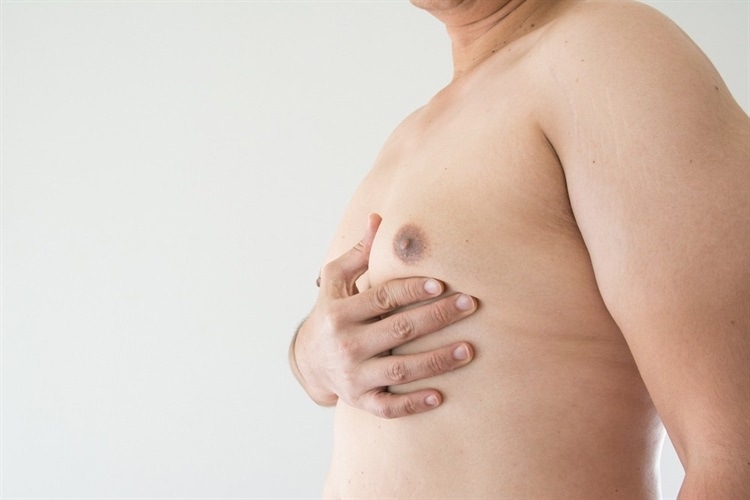
Many men experience changes in their chest area that can cause discomfort, embarrassment, or a loss of confidence. Enlarged male breast tissue, often referred to as gynecomastia, is more common than most realize. While it can be caused by hormonal shifts, medication, lifestyle, or genetics, the physical and emotional impact is often the same. Men may avoid certain clothing, hesitate to swim in public, or feel uneasy in intimate relationships. Fortunately, medical advancements have made it possible to address this condition effectively. One of the most reliable solutions is the gynecomastia operation, a procedure designed to reshape the chest, restore masculine contours, and improve overall confidence.
Understanding the Condition
Gynecomastia is characterized by the overdevelopment of glandular breast tissue in males. Unlike simple fat accumulation, which may occur with weight gain, this involves firm or rubbery tissue beneath the nipple area. It can occur in one or both breasts, and severity varies greatly. For some, it is subtle and hardly noticeable, while for others it creates significant chest projection.
The condition can arise during puberty, when hormones fluctuate, but it often resolves naturally within a year or two. In adults, it may be linked to hormonal imbalances, certain medications, liver or thyroid issues, and even long-term anabolic steroid use. Distinguishing true gynecomastia from excess fat, known as pseudogynecomastia, is essential because the treatment approach differs. While lifestyle changes or weight loss may reduce fat, glandular tissue usually requires surgical removal to achieve lasting results.
The Surgical Procedure Explained
The gynecomastia operation is typically performed by a board-certified plastic surgeon with expertise in male chest contouring. The procedure usually involves a combination of techniques depending on the patient’s condition.
For mild to moderate cases, liposuction alone may be sufficient. Small incisions are made around the areola or chest crease, and a thin cannula is inserted to remove excess fat deposits. However, when glandular tissue is present, excision becomes necessary. Surgeons carefully make discreet incisions, often around the edge of the areola, to remove the firm tissue. In more advanced cases where skin excess is involved, additional contouring or skin tightening may be required.
The procedure is generally performed under local anesthesia with sedation or under general anesthesia, depending on the complexity and the patient’s comfort. It usually takes between one and three hours. Once completed, the chest is bandaged, and a compression garment is applied to support healing and reduce swelling.
The Recovery Process
Recovery after a gynecomastia operation is typically straightforward, though it requires patience and adherence to medical advice. In the first week, swelling, bruising, and mild discomfort are common. Pain is generally well managed with prescribed medication, and most men are surprised at how tolerable the recovery is.
Compression garments play a crucial role during this phase. They help minimize fluid buildup, support tissues as they adjust to their new contours, and encourage optimal skin retraction. Patients are usually advised to wear them for several weeks. Light walking is encouraged soon after surgery to promote circulation, but strenuous activities and heavy lifting should be avoided for about four to six weeks.
Most individuals can return to desk jobs within a week, though those with physically demanding roles may require more time. Visible improvements in chest shape can often be noticed immediately, but final results become clearer after a few months once swelling subsides and tissues settle.
Emotional and Physical Benefits
Beyond the physical transformation, the psychological benefits of this surgery are profound. Many men report a dramatic improvement in self-esteem and body confidence. They feel more comfortable wearing fitted shirts, participating in sports, and enjoying social activities without fear of judgment.
Physically, the procedure removes the discomfort associated with enlarged breast tissue, such as chafing or tenderness. It also helps men achieve better posture and balance in their upper body, which can encourage a more active lifestyle. The renewed confidence often leads to positive lifestyle changes, such as improved fitness habits and healthier social interactions.
Lasting Results and Considerations
One of the most important questions men ask is whether results are permanent. In most cases, the outcome of a gynecomastia operation is long-lasting, provided the patient maintains a stable weight and avoids factors that can trigger recurrence. Hormonal changes, significant weight gain, or certain medications may contribute to regrowth of tissue in rare cases.
Choosing a qualified and experienced surgeon is critical to ensuring not only a good aesthetic outcome but also safety. Prospective patients should research credentials, review before-and-after photos, and schedule consultations to discuss expectations and concerns. Understanding that no two bodies are the same is essential. A tailored surgical plan ensures the best possible results for each individual.
Conclusion
Gynecomastia is more than a cosmetic issue—it can deeply affect self-confidence and quality of life. For men struggling with enlarged chest tissue, surgery provides a proven solution. The procedure itself is safe, effective, and capable of delivering long-term results when performed by a skilled surgeon. Recovery is manageable, and the benefits extend far beyond the physical, touching nearly every aspect of a man’s life.
Ultimately, undergoing a gynecomastia operation can be a transformative decision. It restores masculine chest contours, alleviates physical discomfort, and empowers men to live with renewed confidence. With realistic expectations, proper aftercare, and guidance from a qualified professional, patients can achieve lasting results and a significantly improved sense of well-being.


Comments
Post a Comment